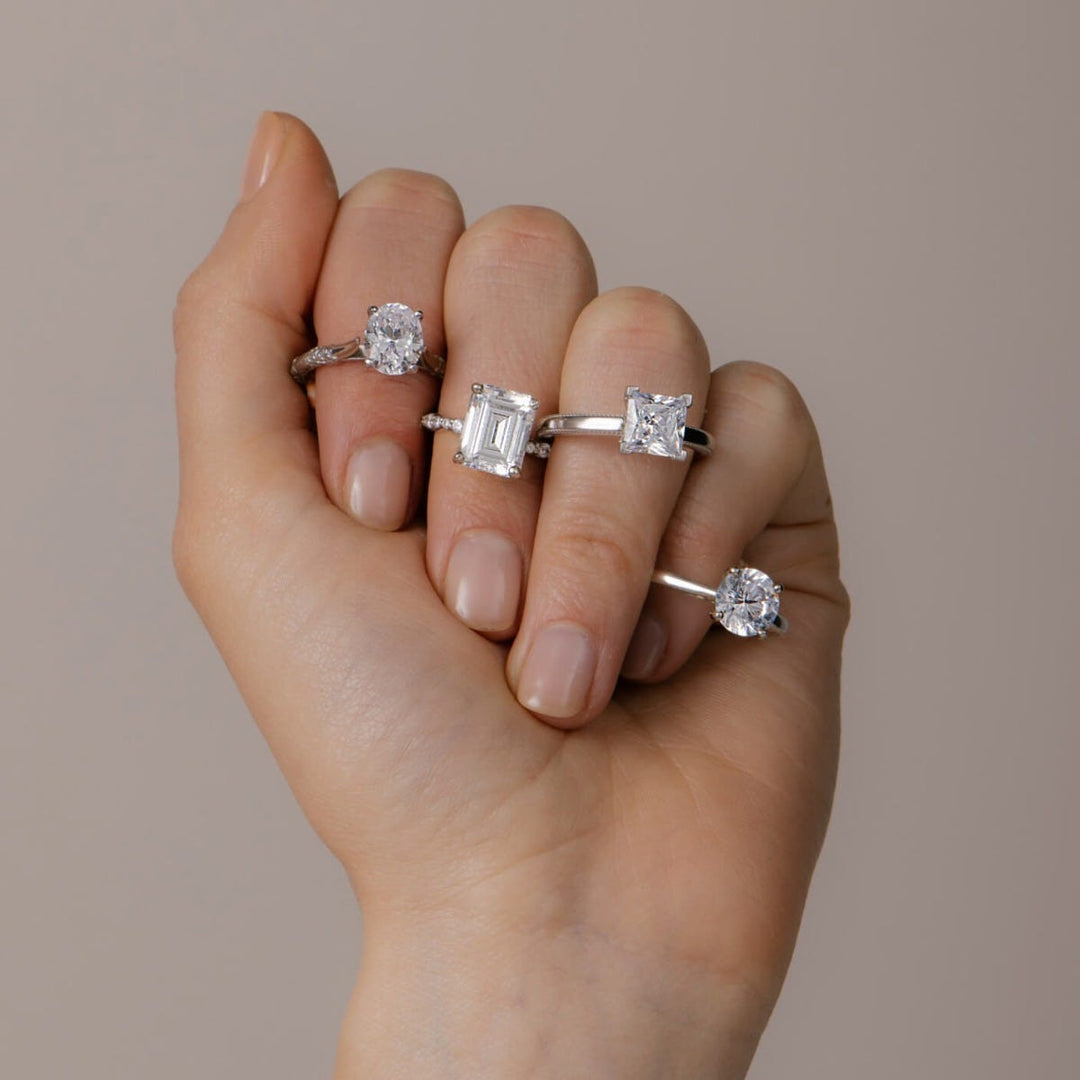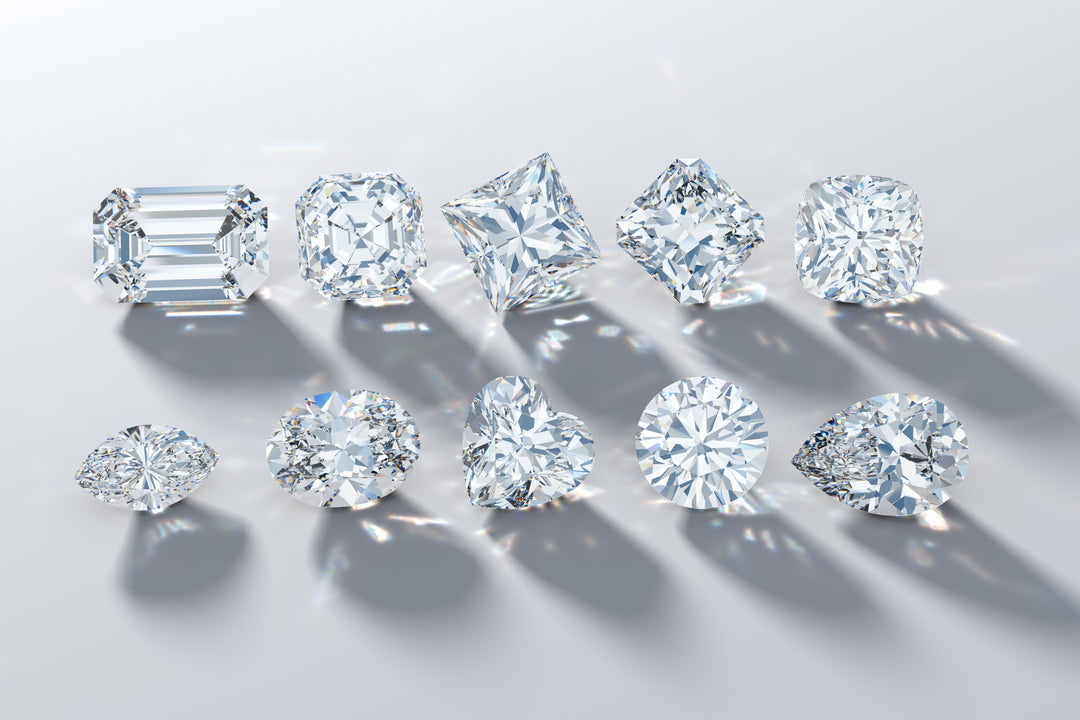

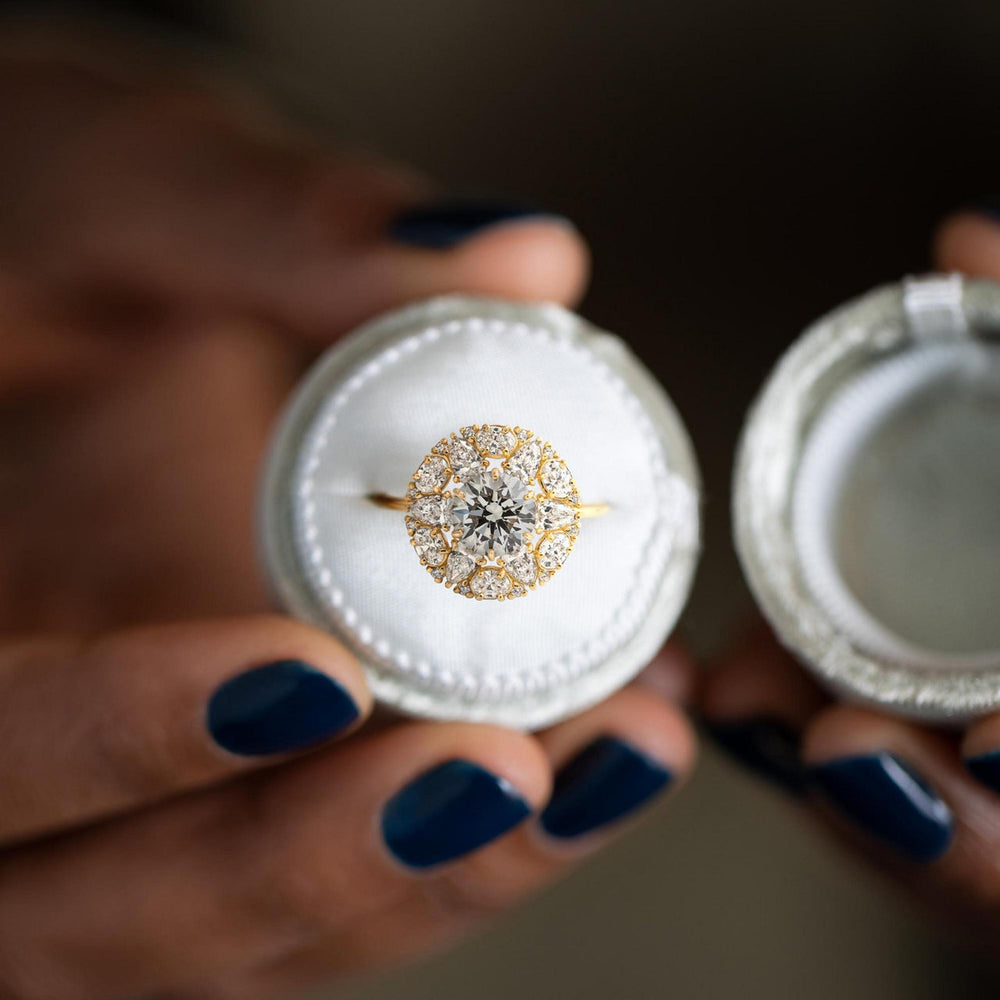

When shopping for a diamond alternative, two of the most popular choices are Lab-Grown Diamonds and Moissanite Diamonds. While they may look similar at first glance, they have distinct characteristics that set them apart. At David Simson, we believe in providing clarity so you can make an informed decision.
1. What Are Lab-Grown Diamonds?
Lab-grown diamonds, also known as man-made diamonds, are real diamonds created in controlled laboratory environments using advanced technological processes that replicate the conditions under which natural diamonds form in the Earth’s mantle.
✅ Key Fact: Lab-grown diamonds have the same physical, chemical, and optical properties as natural diamonds.
🕰️ When Were Lab-Grown Diamonds Discovered?
-
1950s: The first lab-grown diamonds were successfully created by General Electric using the High Pressure High Temperature (HPHT) method. Initially, they were small and used mainly for industrial applications.
-
1970s–1980s: Technology improved, allowing for better clarity and larger sizes.
-
2000s–Present: Introduction of Chemical Vapor Deposition (CVD) method made gem-quality diamonds widely available in the jewelry market.
💡 Why Choose Lab-Grown Diamonds?
-
✅ Ethical Sourcing
-
No involvement in conflict zones or unethical labor practices.
-
A responsible choice for conscious consumers.
-
-
✅ Environmentally Friendly
-
Lower environmental impact compared to traditional diamond mining.
-
Uses less water and energy, with reduced carbon footprint.
-
-
✅ Affordable Luxury
-
Typically 30–50% less expensive than mined diamonds of the same quality.
-
Allows buyers to afford a larger or higher-quality stone within the same budget.
-
-
✅ Visually and Structurally Identical
-
Even trained gemologists need specialized equipment to distinguish them.
-
Certified by renowned grading labs like IGI or GIA.
-
💰 Affordability
-
Lower Cost Per Carat:
-
A 1-carat lab diamond may cost around $1,500–$2,500, whereas a similar natural diamond may range from $5,500–$7,000 or more.
-
-
This price difference allows:
-
Larger stones
-
Better color/clarity grades
-
More elaborate settings for the same budget
-
🌈 Color and Clarity Range
Just like natural diamonds, lab-grown diamonds come in a wide range of grades:
🔹 Color (D to Z Scale):
-
D–F: Colorless (most desirable)
-
G–J: Near colorless
-
Lab-grown diamonds are often produced with high color grades due to controlled growing environments.
🔸 Clarity (FL to I3 Scale):
-
FL: Flawless
-
IF: Internally Flawless
-
VVS1–VVS2: Very, very slightly included
-
VS1–VS2: Very slightly included
-
SI1–SI2: Slightly included
-
Many lab diamonds are available in high clarity grades (VS–VVS) at a lower cost than mined ones.
🔬 How Are They Made?
1. High Pressure High Temperature (HPHT)
-
Mimics natural diamond formation by applying extreme pressure and heat.
-
Produces both industrial and gem-quality diamonds.
2. Chemical Vapor Deposition (CVD)
-
Grows diamonds from a carbon-rich gas at lower pressure.
-
Allows better control over purity, color, and clarity.
📜 Certification and Grading
-
Lab diamonds are graded just like natural diamonds using the 4Cs: Cut, Color, Clarity, and Carat.
-
Reputable labs like GIA, IGI provide grading reports. If you bought Lab-Grown Jewelry from DAVID SIMSON Jewelry you will get IGI certificate of Lab-Grown Diamonds.
-
Always ask for a certification to ensure quality and authenticity. When you buy from DAVID SIMSON you don't need to ask for certificate because our all jewelry made in certified diamonds only and you will get physical certificate of your diamond along with the Jewelry.
🔁 Comparison: Lab-Grown vs Natural Diamonds
| Feature | Lab-Grown Diamonds | Natural Diamonds |
|---|---|---|
| Origin | Lab-created | Formed in Earth over billions of years |
| Cost | 30–50% cheaper | Expensive due to rarity |
| Appearance | Identical | Identical |
| Environmental Impact | Low | High (mining, land displacement) |
| Ethics | Conflict-free | May have conflict origins |
| Resale Value | Constant | Often retains more value |
🎯 Ideal For Whom?
-
Couples looking for budget-friendly engagement rings.
-
Environmentally and ethically conscious buyers.
-
Customers who prefer modern alternatives with traditional brilliance.
🏷️ Conclusion: The Smart Choice
Lab-grown diamonds offer the same sparkle and beauty as natural diamonds—without the heavy price tag, ethical concerns, or environmental damage. Whether you're buying an engagement ring or fine jewelry, lab diamonds deliver maximum brilliance and value with a contemporary conscience.

2. What is Moissanite?
Moissanite is a gemstone made of silicon carbide (SiC) and is known for its incredible brilliance and fire (the way it reflects light). It’s often used as a diamond alternative, especially in engagement rings.
🕰️ Discovery & History
-
Discovered in 1893 by French scientist Henri Moissan in a meteor crater in Arizona.
-
Naturally occurring moissanite is extremely rare, so today all moissanite used in jewelry is lab-created.
💡 Why Choose Moissanite?
-
✨ Exceptional Sparkle
-
Moissanite has a higher refractive index (2.65–2.69) than diamonds (2.42), meaning it sparkles more intensely, especially under lights.
-
-
💰 Highly Affordable
-
Moissanite costs up to 90% less than natural diamonds of similar size.
-
You can get a larger, high-quality stone for a fraction of the cost.
-
-
💎 Durability
-
Second only to diamonds in hardness (9.25 on Mohs scale vs. 10 for diamonds).
-
Extremely durable, suitable for daily wear like engagement rings.
-
-
♻️ Ethical & Eco-Friendly
-
Entirely lab-created.
-
No mining, no ethical conflict—great for sustainability-conscious buyers.
-
-
🎨 Brilliant Look
-
Known for its “fire” – the colorful flashes of light.
-
Ideal for people who want a bold sparkle.
-
💰 Affordability
| Size | Moissanite Price (approx.) | Natural Diamond Price (approx.) |
|---|---|---|
| 1 ct | $500–800 | $4,000–6,000 |
| 2 ct | $1100–1,500 | $10,000–15,000 |
-
Significant savings without compromising on beauty or durability.
-
Moissanite is perfect for couples who want luxury on a budget.
🌈 Color and Clarity
🔹 Color Grades
-
Moissanite comes in three main color grades:
-
Colorless (D–F) – Premium sparkle and full white tone. When you shop with DAVID SIMSON we only used D color & VVS Purity Moissanite Diamond in all our Jewelry.
-
Near Colorless (G–H) – Slight warmth, still stunning.
-
Faint Tint (I–J or lower) – Visible warmth, sometimes preferred for vintage styles.
-
🔸 Clarity
-
Most moissanite stones are VS or higher, meaning they are very clean to the naked eye. We use highest quality in moissanite diamond which is VVS.
-
Lab-controlled growth minimizes inclusions.
🔬 How is Moissanite Made?
-
Created using advanced crystal-growing technology in labs.
-
Controlled environment ensures:
-
Uniformity
-
High-quality stones
-
Better control over size, color, and clarity
-
🆚 Moissanite vs Diamond: Side-by-Side Comparison
| Feature | Moissanite | Diamond |
|---|---|---|
| Composition | Silicon Carbide | Carbon |
| Brilliance (Sparkle) | More fire and rainbow flashes | More subtle, classic brilliance |
| Hardness (Mohs) | 9.25 | 10 |
| Price | Very affordable | Expensive |
| Ethics | 100% ethical & lab-made | Can vary (lab or mined) |
| Appearance | Looks similar, but more fiery | Classic look |
| Weight | Lighter than diamonds | Heavier |
🧑🎓 Who Should Choose Moissanite?
-
💍 Couples on a budget looking for big sparkle
-
🌱 Eco-conscious buyers
-
💃 Style lovers who want bold brilliance
-
💡 Buyers who prioritize value over tradition
🏁 Conclusion: The Smart Sparkle
Moissanite is a beautiful, ethical, and affordable alternative to traditional diamonds. Whether you want to save money, shop sustainably, or simply love a gemstone that sparkles even more than diamonds—moissanite is a brilliant choice.

3. Main Differences Between Lab-Grown Diamonds & Moissanite
| Feature | Lab-Grown Diamond | Moissanite |
|---|---|---|
| Composition | Pure Carbon | Silicon Carbide |
| Hardness | 10 on the Mohs Scale | 9.25 on the Mohs Scale |
| Brilliance | White Light Reflection | More Fire & Rainbow Reflection |
| Price | More expensive than Moissanite | More budget-friendly |
| Certification | IGI, GIA | Authorized Laboratory |
4. Which One Should You Choose?
The choice between lab-grown diamonds and Moissanite depends on your preference and budget. If you want an authentic diamond with the same properties as a natural one but at a lower price, lab-grown diamonds are the best choice. However, if you're looking for an affordable, highly brilliant alternative, Moissanite is an excellent option.
You will get both at DAVID SIMSON Jewelry. For customized any jewelry in Lab-Grown diamond Instead of Moissanite diamonds contact us at: hello@davidsimson.com